close
search
add
Post
account_circle
close
Science
close
search
add
Post
add
Submit Post
Create Component
About
Log In
Sign Up
Science
131 followers
Follow
add
Submit Post
Scientific news, discoveries, and discussions.
Oldest
Trending
Top
Most Viewed
Newest
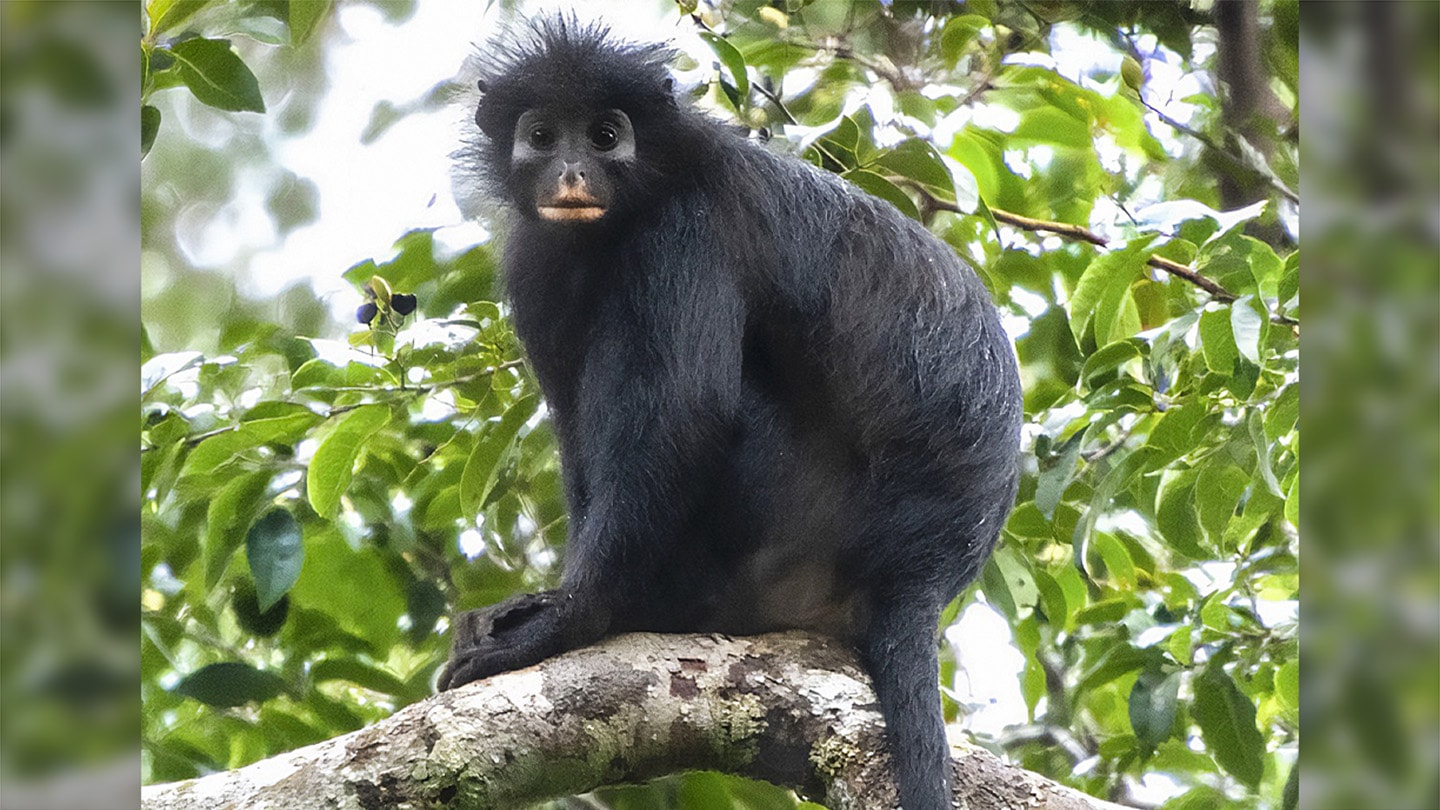
scientists found a whole new monkey species in the Congo and it has an orange mouth
Science News
A new monkey species has been found deep in Congo's forests
A canopy call, a partial photo and DNA revealed a new primate species — one that may already be at risk of extinction.
www.sciencenews.org
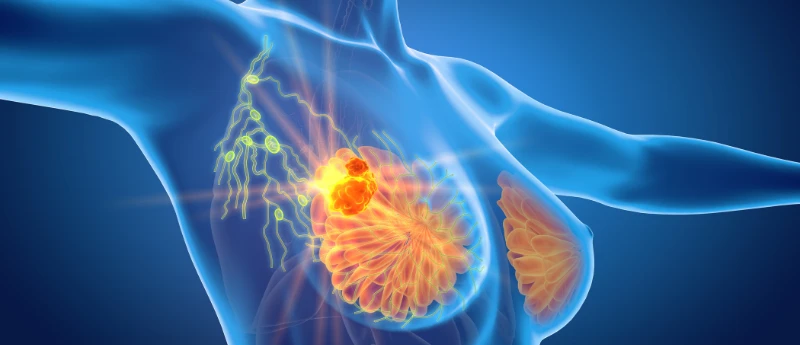
Study Finds More Breast Cancer Patients Can Skip Lymph Node Surgery
Oncology Central
ASCO 2026: Skipping axillary lymph node dissection safe for some breast cancer patients
Omitting axillary lymph node dissection is safe for people with breast cancer that has spread to 1 or 1 sentinel lymph nodes and helps avoid arm-related side effects.
www.oncology-central.com
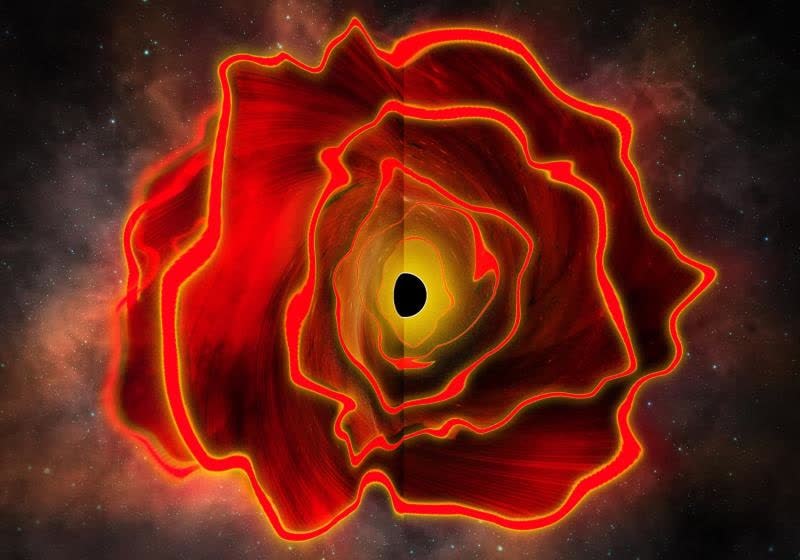
JWST may have found a new kind of object: a black hole wrapped in a star-sized gas cocoon
TechSpot
Astronomers may have discovered a new kind of object called a black hole star
"Our picture of this object is evolving very rapidly," says lead author Rohan Naidu, a NASA Hubble Fellow and Pappalardo Fellow at MIT's Kavli Institute for Astrophysics...
www.techspot.com
Melting Arctic sea ice is triggering a cloud making process missing from climate models
ScienceDaily
Scientists discover a natural Arctic cloud factory missing from climate models
A newly discovered Arctic process can dramatically boost the number of particles that help form clouds. Near melting sea ice, sunlight reacts with chemicals released by the ocean, algae, and ice, causing cloud-seeding particles to multiply by as much as 50 times in a day. Because the active ice-edge region is growing as sea ice retreats, the effect could become increasingly important. Scientists n
sciencedaily.com
At home colon cancer screening linked to a 43% reduced risk of dying from it
ScienceDaily
A simple at-home test could cut colorectal cancer death risk by 43%
People who participated in colorectal cancer screening had a 43% lower risk of dying from the disease, according to long-term data from more than 376,000 people in Sweden. The findings suggest that completing a simple at-home screening test could make a major difference in survival.
www.sciencedaily.com
A solar eruption headed toward Earth completely hidden from our view caught by 17 spacecraft
Space
How a huge fleet of 17 spacecraft discovered something surprising about solar eruptions
Taking measurements of the same CME from different vantage points in the solar system revealed the true extent of a solar eruption.
www.space.com
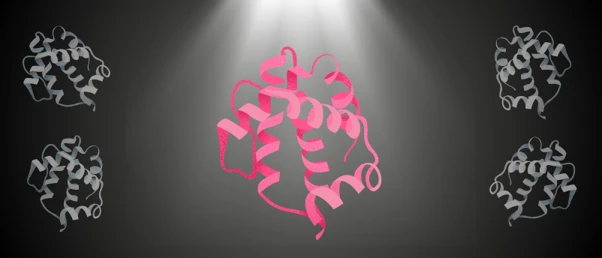
Researchers investigating 160 million year old proteins that kill drug resistant bacteria
BioTechniques
160-million-year-old proteins could inspire future antimicrobials
Scientists have reconstructed ancient lactoferrin proteins that could serve as a jumping-off point for novel antimicrobials.
www.biotechniques.com
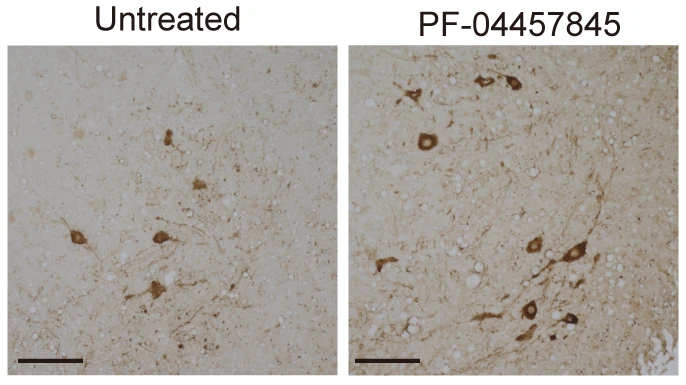
Compound already safety tested in humans slowed ALS progression in mice
Nagoya University
Human blood marker points to a compound that slows ALS in mice | News & Events | Nagoya University
Stay informed about research breakthroughs, university announcements, and opportunities to engage with Nagoya University's dynamic global community.
en.nagoya-u.ac.jp
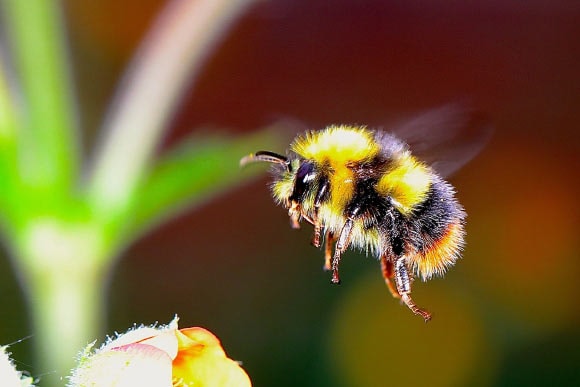
Bumblebees exposed to a fungal infection basically became drug addicts
Sci.News: Breaking Science News
Bumblebees May Self-Medicate when Their Colony Faces Fungal Pathogen | Sci.News
In a new study published in the journal Royal Society Open Science, buff-tailed bumblebees (Bombus terrestris) exposed to a brood-killing fungus shifted their foraging habits toward nectar laced with a natural antimicrobial compound, offering a rare glimpse of behavior consistent with self-medication in a social insect.
www.sci.news
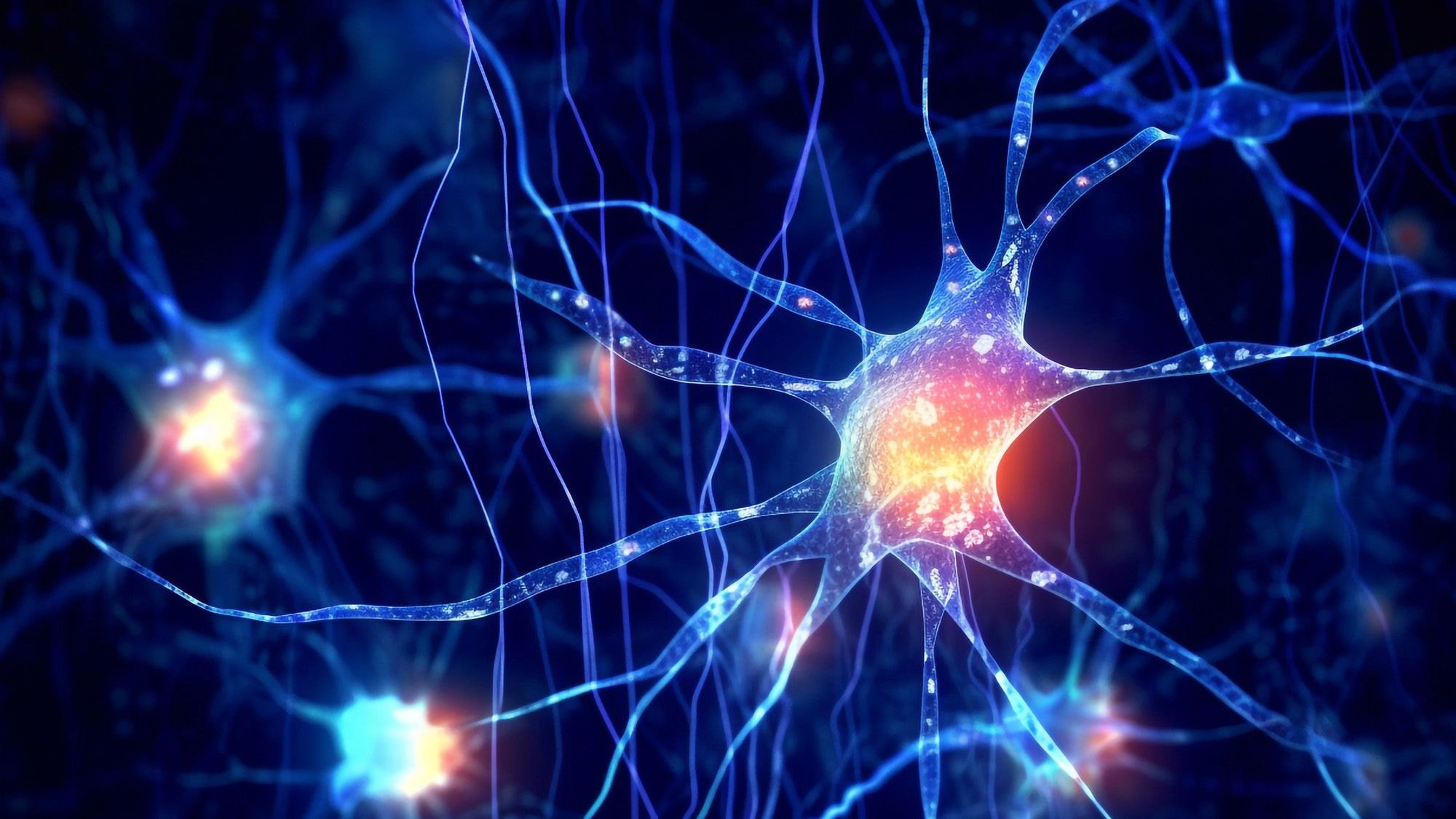
Gel turned human brain support cells into working neurons and improved memory in Alzheimer's mice
Live Science
Scientists invent a gel that creates neurons from other cells, which could help treat Alzheimer's
Scientists found a way to convert brain cells called astrocytes into neurons. In theory, this could replenish neurons lost in neurodegenerative conditions like Alzheimer's disease.
www.livescience.com
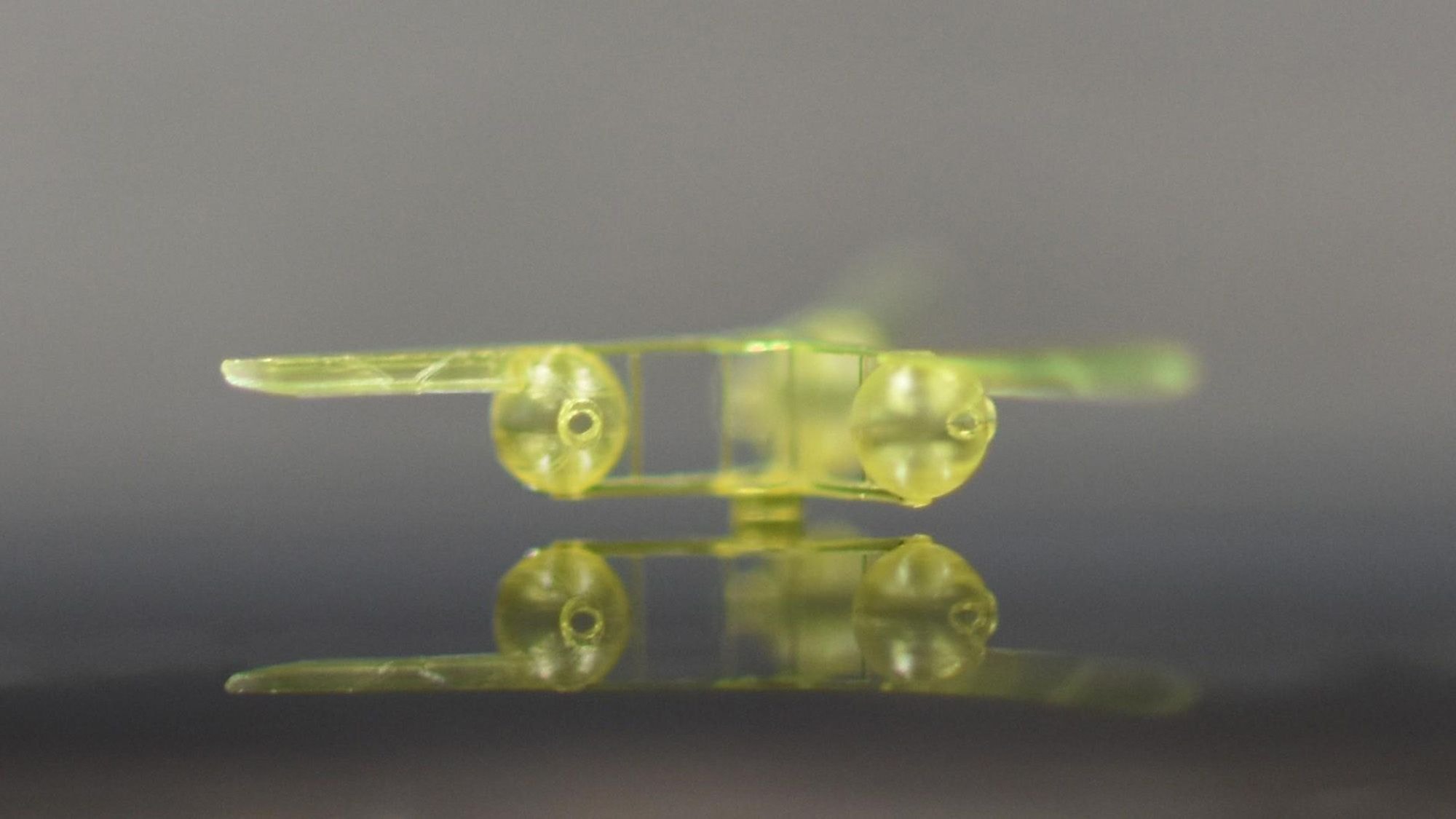
Tiny robots with no motors can fly and steer using sound waves
Live Science
Scientists build tiny robots without motors that can fly using sound waves alone
A century-old trick for tuning musical instruments has been repurposed to power robots that fly, float and steer themselves using nothing but sound waves.
www.livescience.com
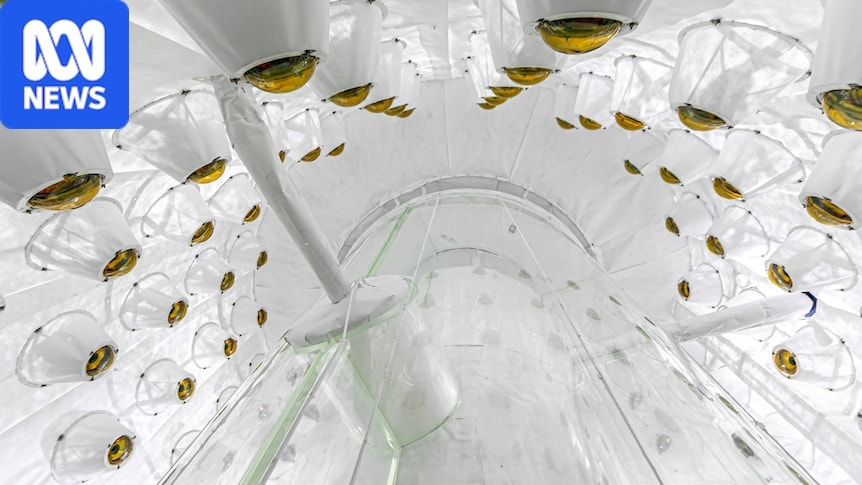
LUX-ZEPLIN records its most compelling hint of dark matter yet
abc.net.au
'This could be it': Dark matter detector finds hint of unknown particle
A single flash of energy spotted by the world's most sensitive dark matter detector has scientists excited they may have found hints of the elusive substance that permeates the universe.
www.abc.net.au
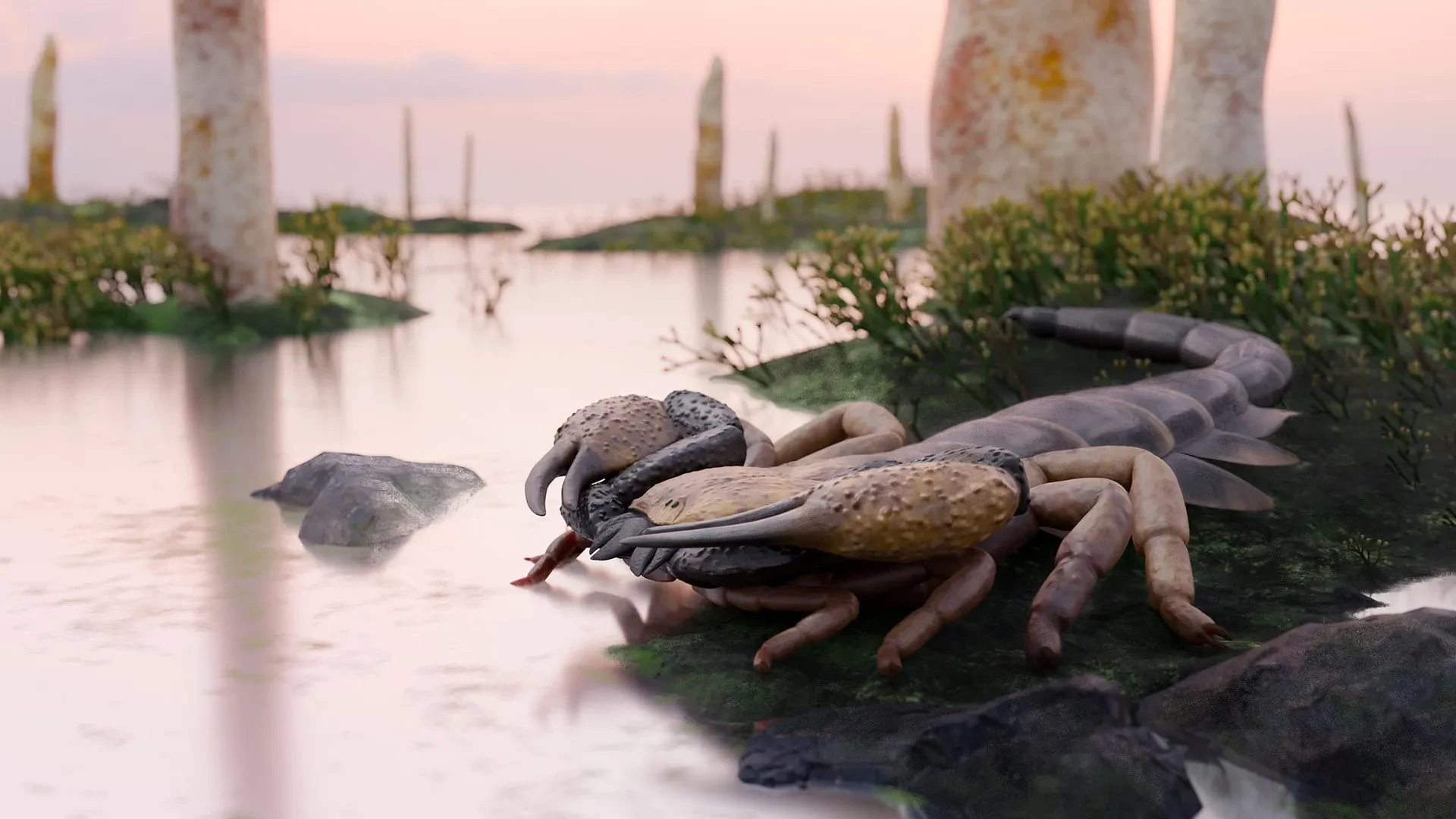
Largest known scorpion was a meter long and lived before forests existed
ScienceDaily
A coffee-table-size scorpion roamed Earth before forests existed
A meter-long scorpion with massive pincers stalked ancient Britain 415 million years ago, long before forests and the better-known age of giant insects. Its surprising size and possible semi-aquatic lifestyle could reshape ideas about how early arthropods became giants.
www.sciencedaily.com
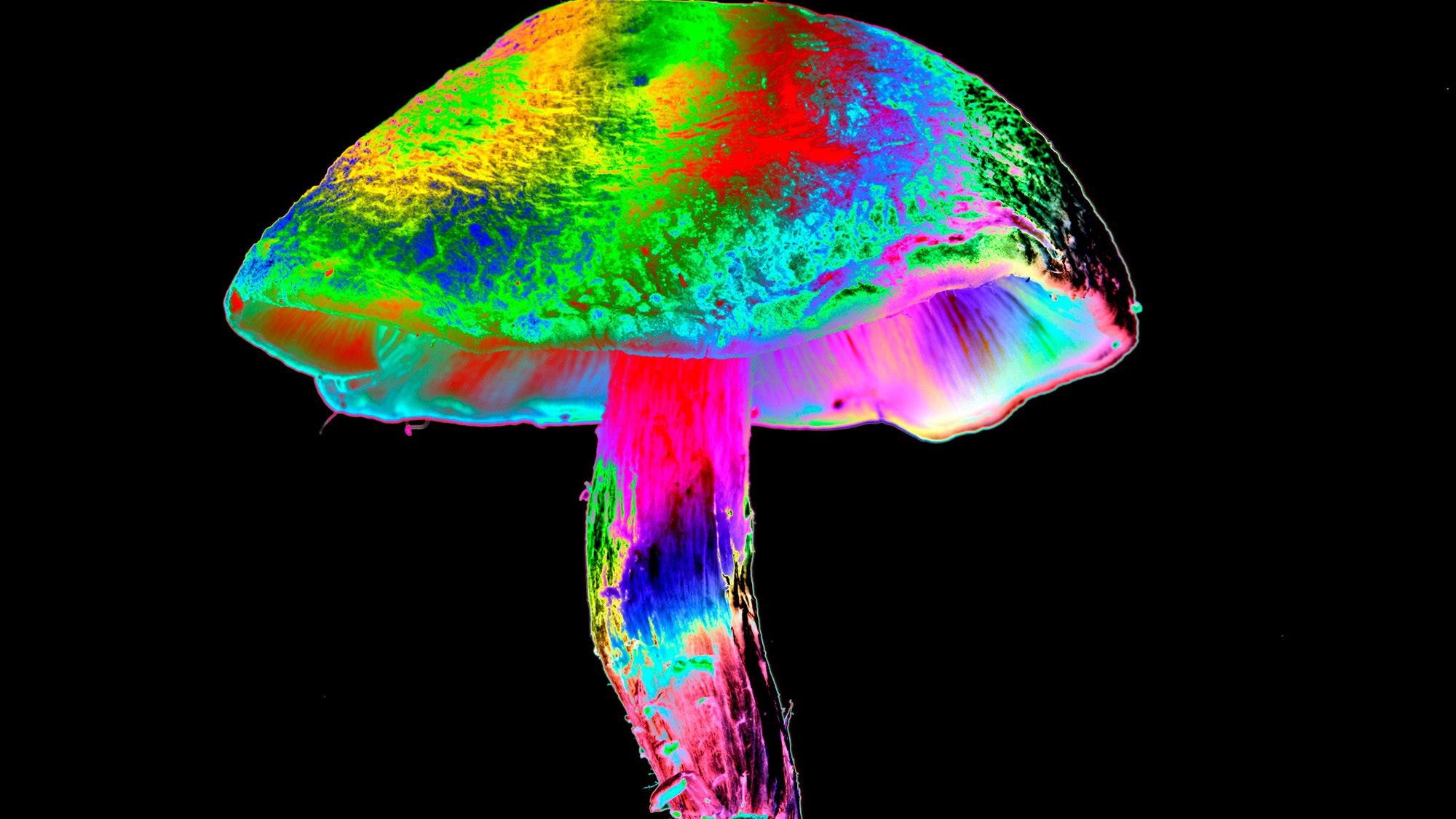
Two doses of psilocybin prevented chemotherapy nerve damage through six treatment rounds in mice
Live Science
Psilocybin may protect against a common, debilitating side effect of chemotherapy, early study finds
A psychedelic best known for its effects on the brain may also protect peripheral nerves from chemotherapy damage, early research suggests.
www.livescience.com
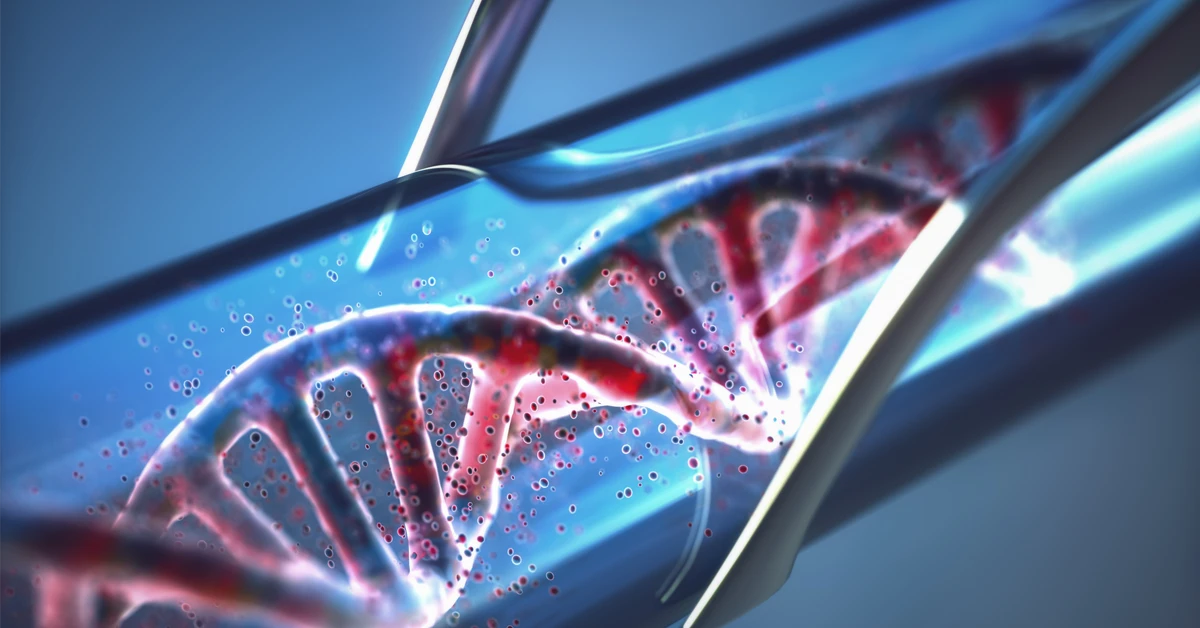
E. coli RNA polymerase accurately transcribed an 8 letter synthetic DNA alphabet instead of the normal 4
today.ucsd.edu
Breakthrough Helps Expand Genetic Alphabet
Researchers at UC San Diego have demonstrated that one of biology's most essential enzymes can accurately read and transcribe an expanded genetic alphabet containing eight DNA letters instead of the four used by all known life.
today.ucsd.edu
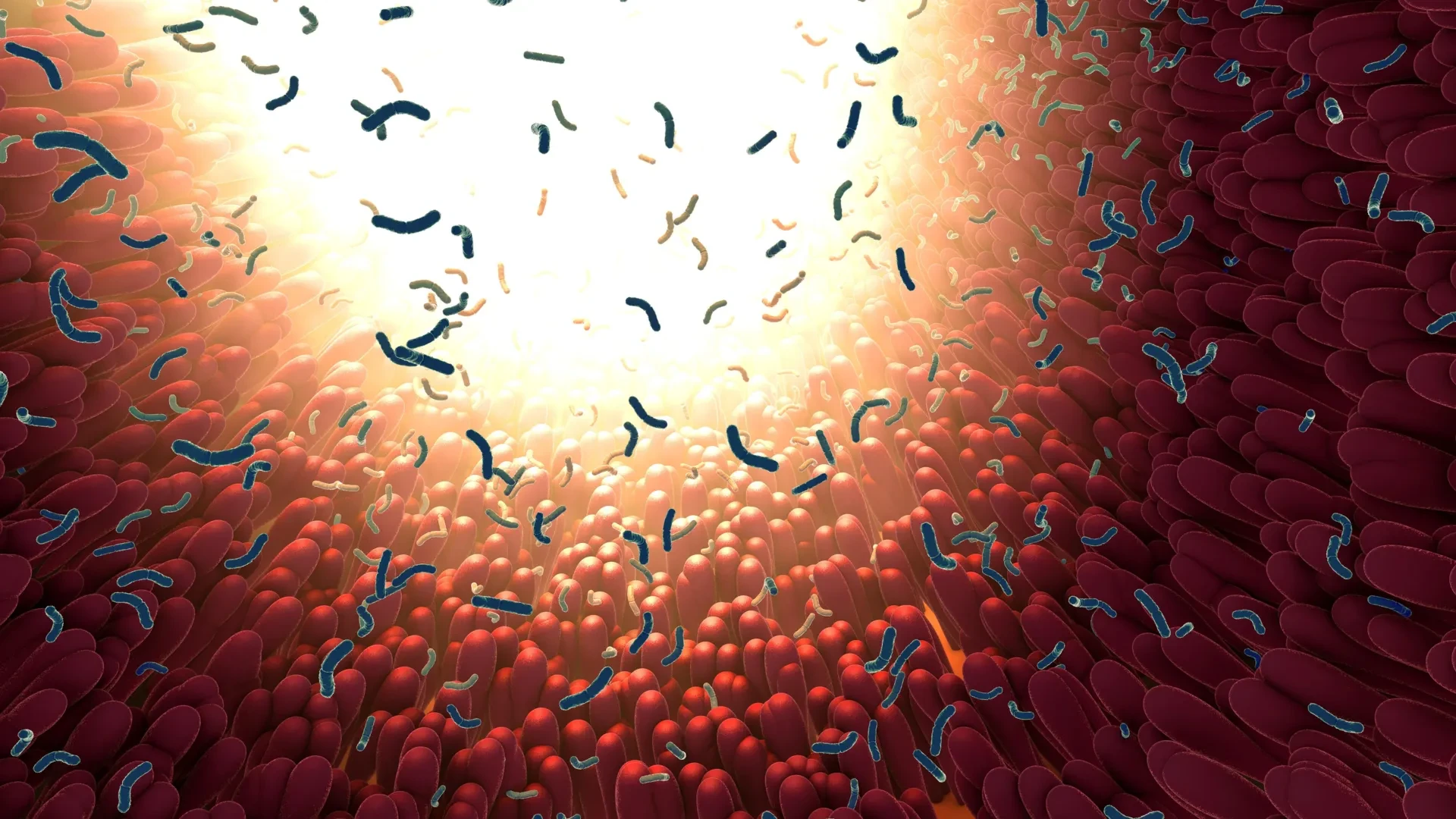
Your gut microbiome might be more contagious than anyone realized
ScienceDaily
Your gut microbiome may be more contagious than scientists thought
Scientists have found evidence that some gut bacterial populations can spread rapidly between people and across continents, suggesting the microbiome may be more transmissible than previously thought. The research also revealed hidden bacterial groups associated with aging, colorectal cancer, inflammatory bowel disease, and type 2 diabetes.
www.sciencedaily.com
Einstein's gravity was directly observed acting on a quantum object for the first time
ScienceDaily
Scientists observe Einstein's gravity in the quantum world for the first time
Physicists have directly observed a long-predicted quantum effect of gravity, putting one of Einstein's foundational ideas to a striking new test. Using ultracold atoms, researchers split an atom's quantum wave so that one part was held in place while the other fell freely under gravity, then reunited the two to measure the tiny difference that emerged.
www.sciencedaily.com
NASA's Chandra finds 84 X-ray object sources unlike any other
NASA Science
NASA's Chandra Unveils Mysterious X-Ray Objects - NASA Science
Using NASA's Chandra X-ray Observatory, scientists have discovered a new class of objects behaving unlike any they have seen before. Astronomers suggest these
science.nasa.gov
DeepMind mapped the predicted effects of all 9 billion possible single-letter DNA mutations
Google
AlphaGenome Atlas: a high-resolution map of human DNA
We're introducing AlphaGenome Atlas, a database predicting the effects of every possible single nucleotide variant in the human genome.
blog.google
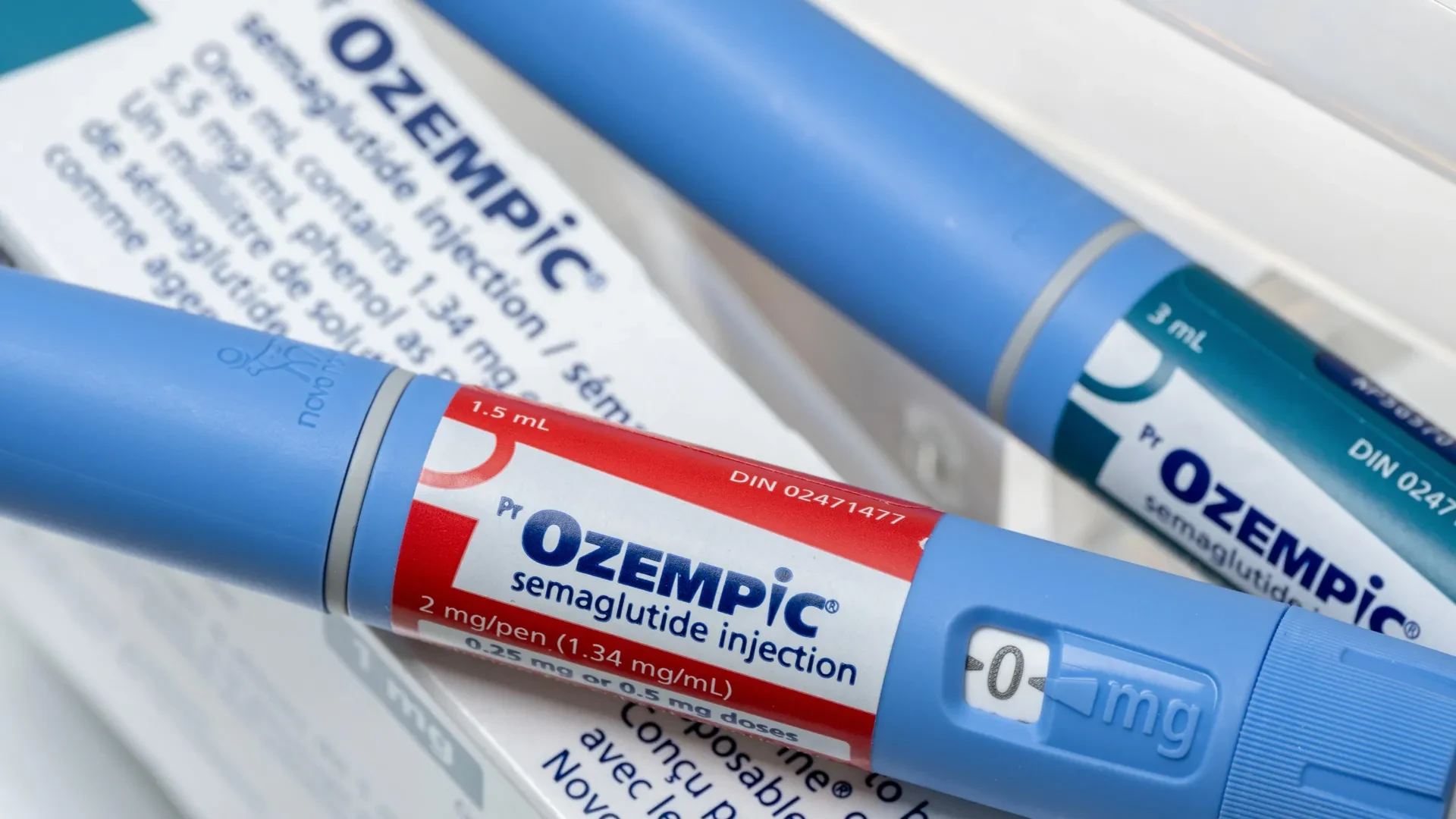
Semaglutide slowed aging and extended lifespan in older female mice
ScienceDaily
Scientists find Ozempic may slow aging itself
Semaglutide helped older healthy mice live longer while improving memory, muscle function, blood sugar control, and several biological signs of aging. Its effects went beyond those seen with calorie restriction, raising the possibility that GLP-1 drugs could tap into a separate biological pathway linked to longevity.
www.sciencedaily.com
Lymph node like structures in mouse skulls acted as early responders against brain tumors
ScienceDaily
Hidden "immune organ" in the skull may help fight brain cancer
Scientists discovered a hidden "immune organ" inside the skull that acts as a rapid first responder against brain cancer in mice. Strengthening this local immune defense improved tumor rejection and survival, raising the possibility of new treatments that target the skull directly.
sciencedaily.com
Scientists built a DNA computer that can perform calculations in a drop of water
Live Science
Scientists build a DNA computer that can perform calculations in a drop of water
This programmable DNA computer can perform arithmetic without the continuous energy input needed by other systems.
www.livescience.com
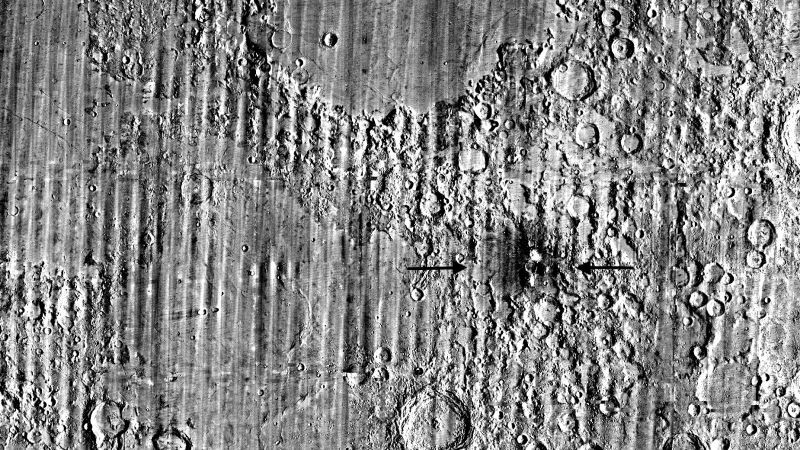
NASA found a 728 foot wide moon crater formed by an impact just two years ago
CNN
Lunar orbiter spots ‘once in a lifetime’ new crater on the moon | CNN
The moon’s surface experienced a violent encounter with a comet or an asteroid — and has a massive battle scar to prove it.
www.cnn.com
Claude discovers a novel enzyme system with CRISPR-like repeats
anthropic.com
Claude discovers a novel enzyme system
In early results from our new life sciences research lab, Claude agents found an enzyme system whose function is still unknown.
www.anthropic.com
Astronomers found the youngest known planet, less than 1 million years old and still forming
NASA Science
Newfound 'Baby' Planet Smashes Record for Youngest Known World - NASA Science
Astronomers have confirmed a world that's less than a million years old as the youngest known planet, using data from NASA-funded archives. Called Elias 2-24
science.nasa.gov