close
search
add
Post
account_circle
close
Science
close
search
add
Post
add
Submit Post
Create Component
About
Log In
Sign Up
Science
131 followers
Follow
add
Submit Post
Scientific news, discoveries, and discussions.
Newest
Trending
Top
Most Viewed
Oldest
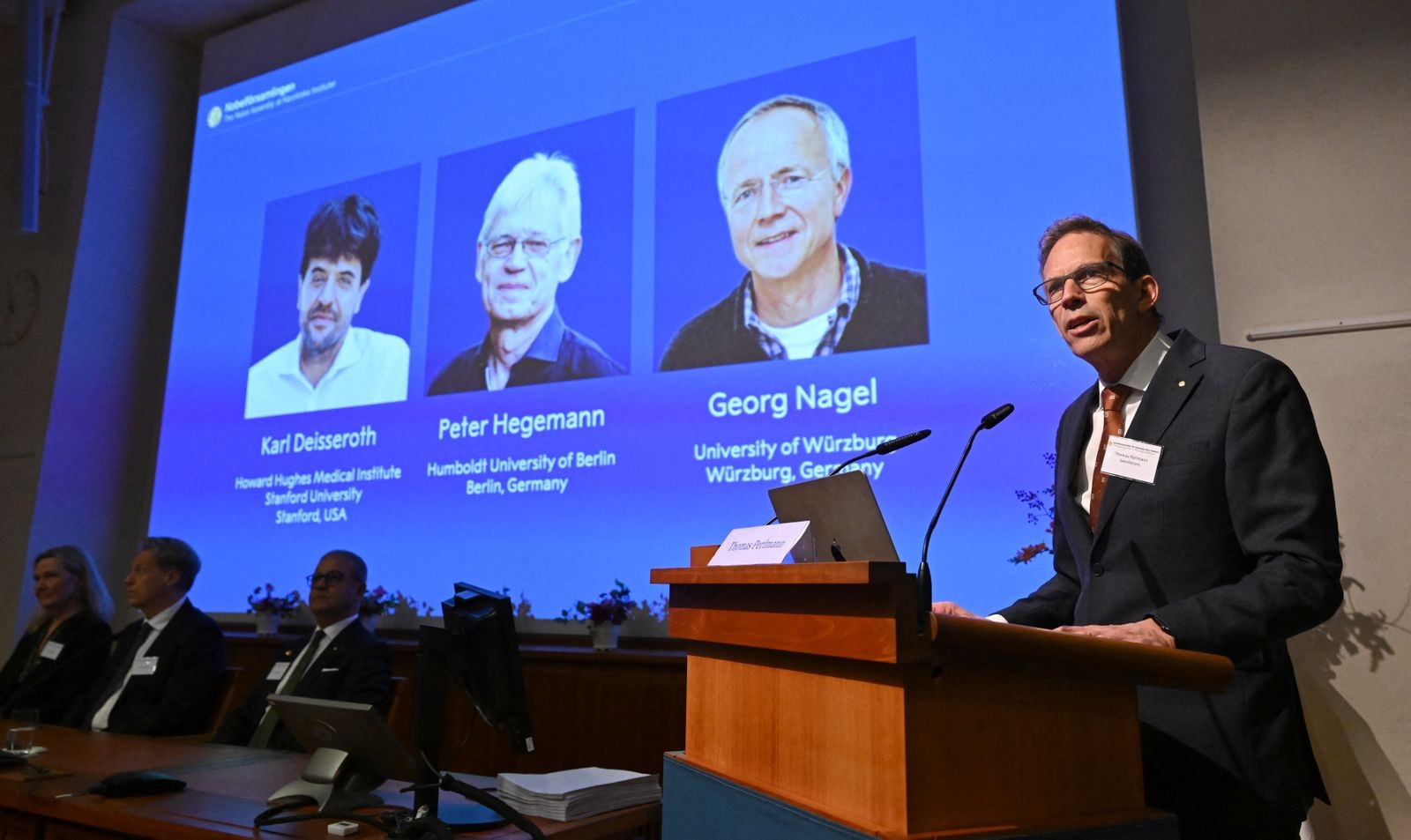
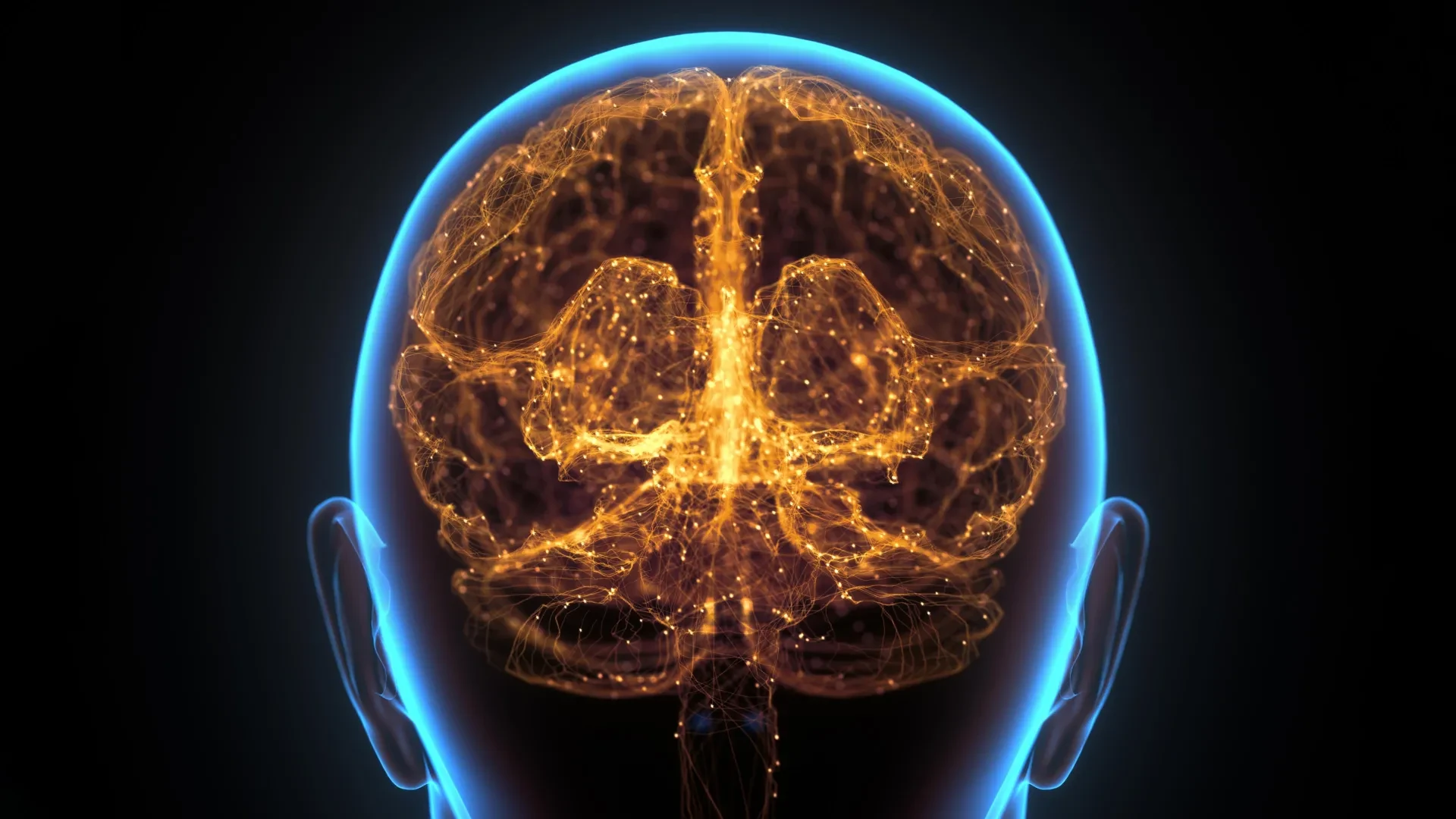
Scientists win Medicine Nobel Prize for a method that controls brain cells with light
Smithsonian Magazine
Trio of Scientists Wins Medicine Nobel for a Method to Turn Nerve Cells On and Off With Light, Helping to Unravel the Brain's Mysteries
Karl Deisseroth, Peter Hegemann and Georg Nagel received the 2026 award for their contributions to a revolutionary technique in neuroscience called optogenetics, which allows researchers to examine precise connections between neuronal activity and behavioral outcomes in live animals
www.smithsonianmag.com
Animals may have evolved 200 million years earlier than the fossil record suggests
Live Science
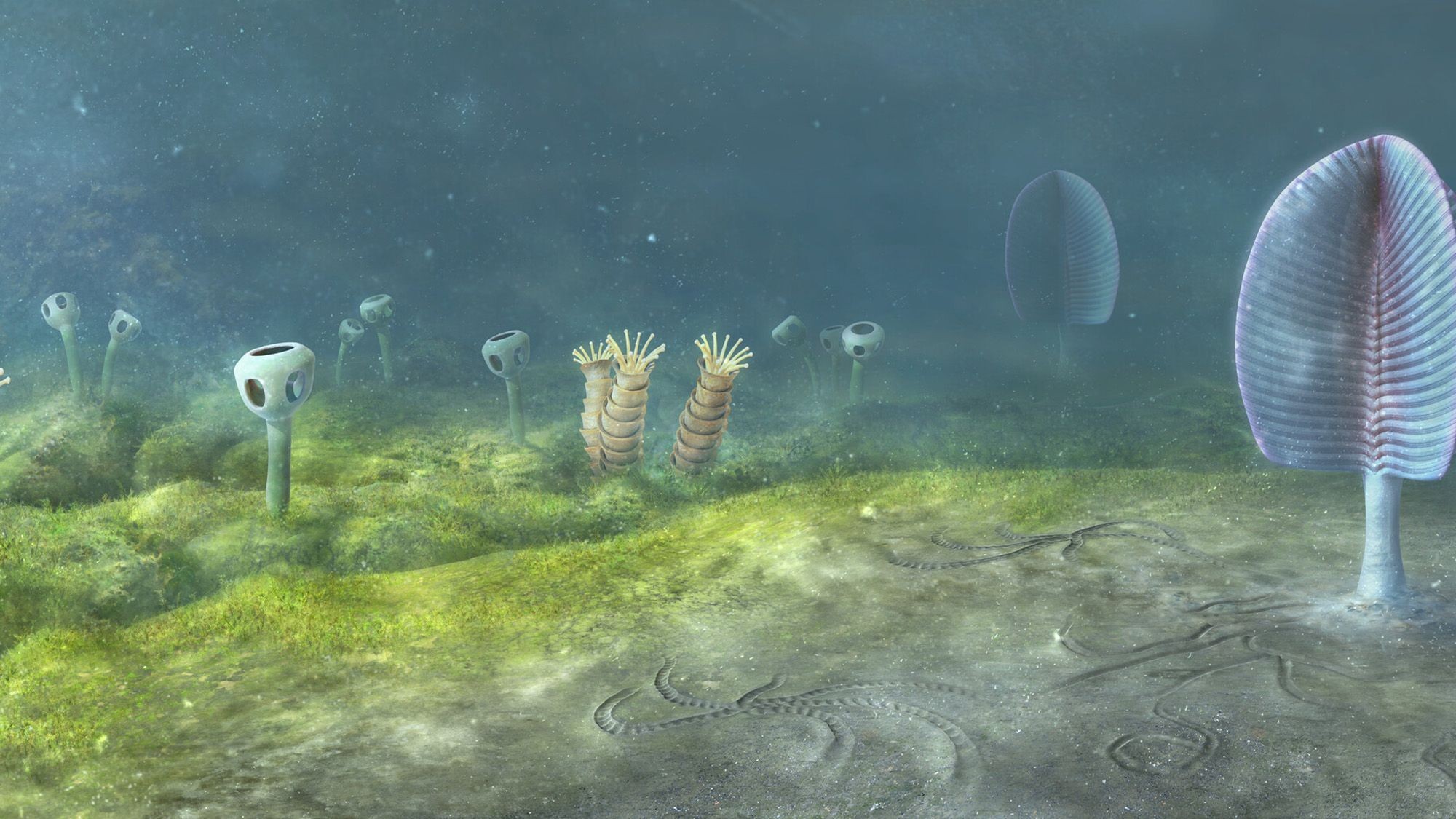
Animals may have evolved 200 million years earlier than previously thought, new study suggests
After using a technique called molecular clock analysis, researchers have proposed that the origin of animals could be 200 million years earlier than thought.
www.livescience.com
Enceladus Offers Clues In The Search For Extraterrestrial Life
Astrobiology
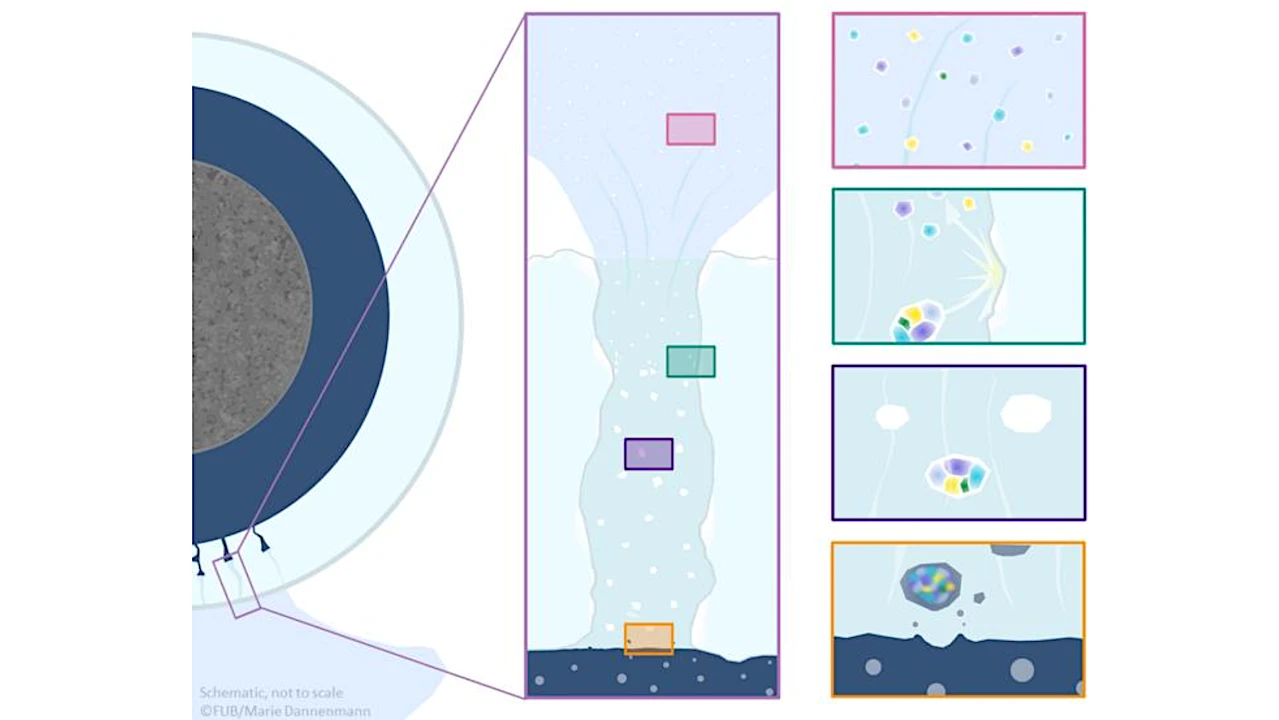
Enceladus Offers Clues In The Search For Extraterrestrial Life
With a global ocean of liquid water below a thick crust of ice, Saturn’s moon Enceladus is one of the most promising places to search for life
astrobiology.com
That fresh cleaning smell can fill a room with trillions of nanoparticles
ScienceDaily
That fresh cleaning smell could be filling your home with nanoparticles
Researchers found that scented cleaners can react with ozone indoors to create billions or trillions of invisible nanoparticles that can penetrate deep into the lungs. The pollution forms within minutes and, in some cases, may produce an inhaled particle dose comparable to or greater than standing near heavy traffic.
www.sciencedaily.com
Distant time crystals can somehow fall into the same rhythm
ScienceDaily
Distant time crystals can somehow fall into the same rhythm
Researchers have shown that multiple time crystals inside a semiconductor can synchronize their oscillations, much like pendulum clocks gradually falling into the same rhythm. The coupling is carried by spin-polarized electrons, allowing time crystals separated by up to 40 micrometers to lock to a common frequency. The discovery reveals surprisingly long-range connections between these exotic spin
www.sciencedaily.com
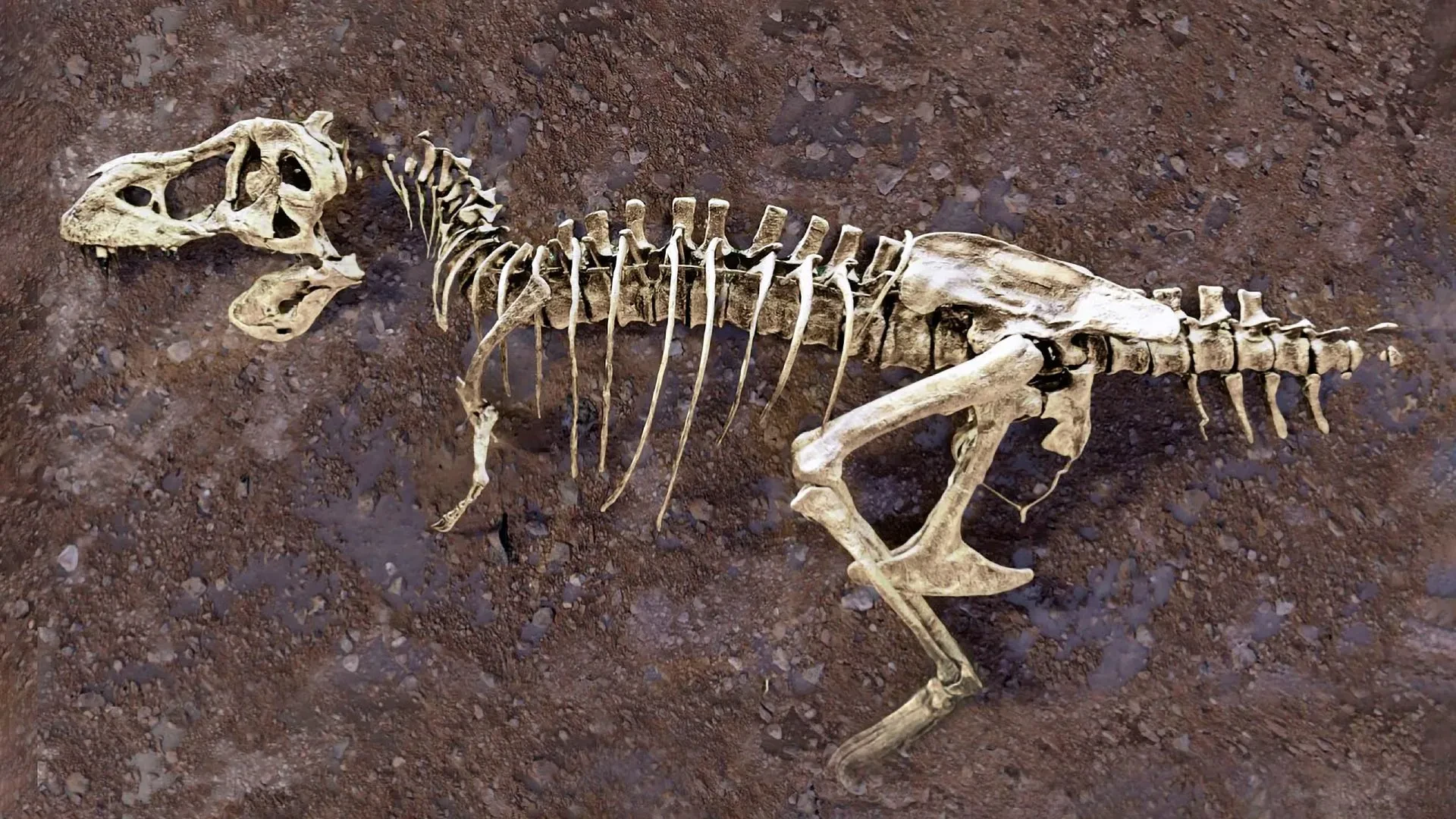
Fossilized blood vessels were found inside a broken rib from the world's largest T. rex
ScienceDaily
A broken rib from the world's largest T. rex hid a 66-million-year-old secret
A broken rib from Scotty, the largest known T. rex skeleton, contains an extraordinary fossilized network of blood vessels formed while the dinosaur was healing. Scientists used neutron and X-ray imaging to look inside the 66-million-year-old bone without damaging it, revealing details rarely preserved in fossils.
www.sciencedaily.com
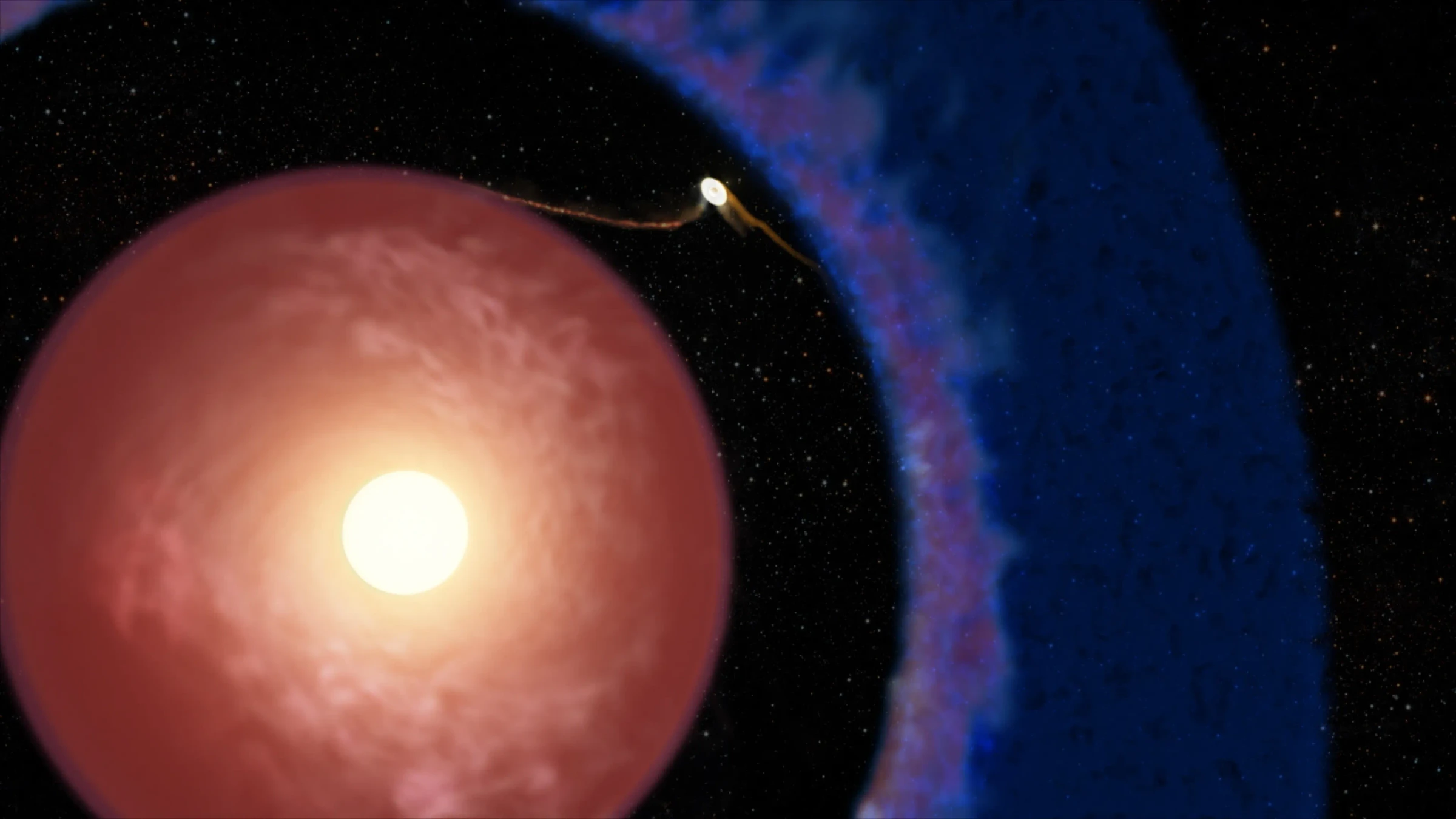
Astronomers found the youngest known planet, less than 1 million years old and still forming
NASA Science
Newfound 'Baby' Planet Smashes Record for Youngest Known World - NASA Science
Astronomers have confirmed a world that's less than a million years old as the youngest known planet, using data from NASA-funded archives. Called Elias 2-24
science.nasa.gov
Claude discovers a novel enzyme system with CRISPR-like repeats
anthropic.com
Claude discovers a novel enzyme system
In early results from our new life sciences research lab, Claude agents found an enzyme system whose function is still unknown.
www.anthropic.com
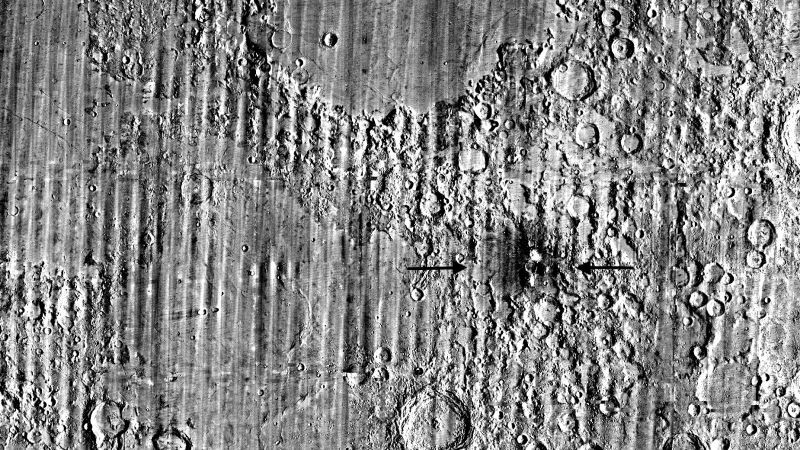
NASA found a 728 foot wide moon crater formed by an impact just two years ago
CNN
Lunar orbiter spots ‘once in a lifetime’ new crater on the moon | CNN
The moon’s surface experienced a violent encounter with a comet or an asteroid — and has a massive battle scar to prove it.
www.cnn.com
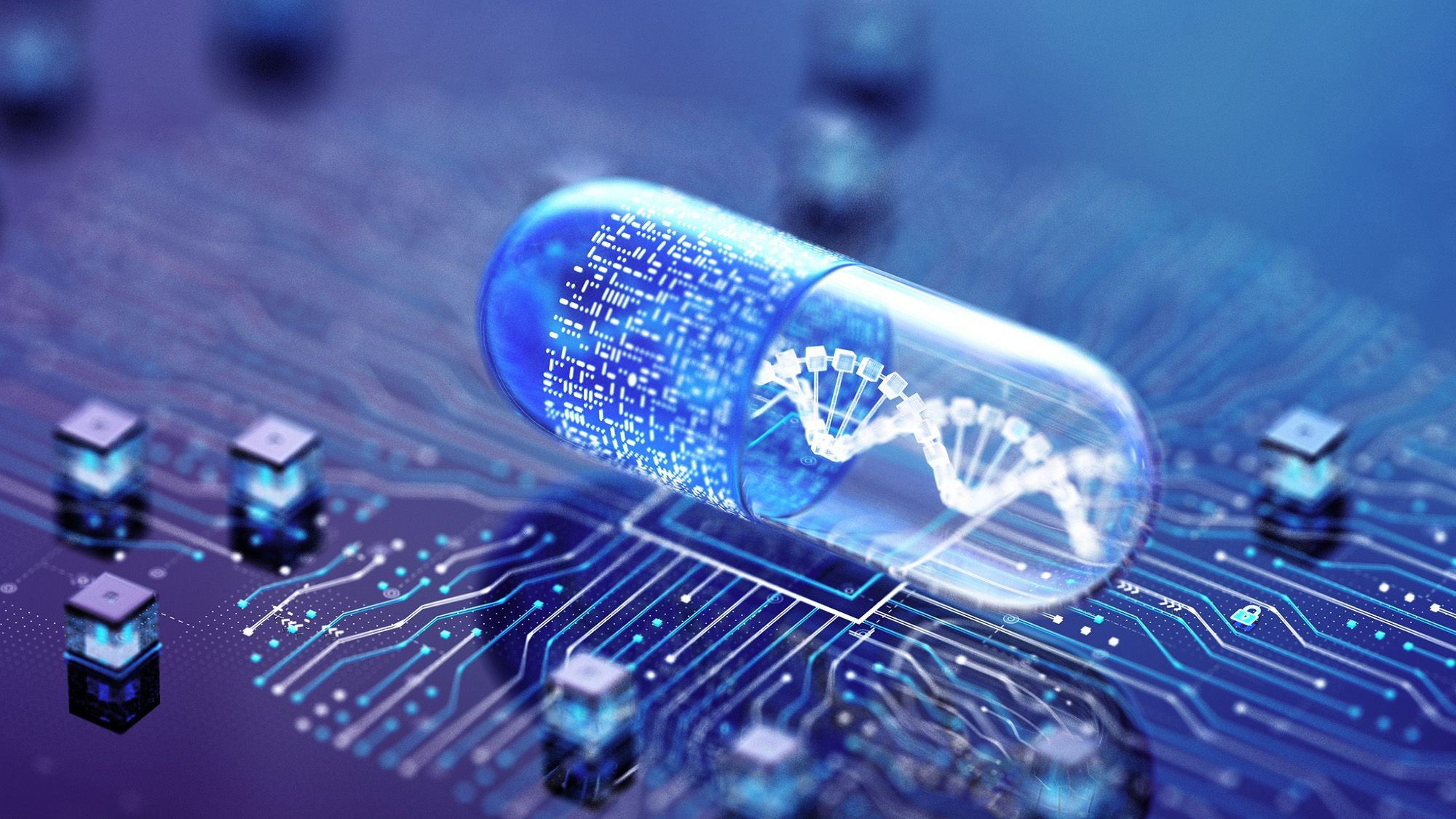
Scientists built a DNA computer that can perform calculations in a drop of water
Live Science
Scientists build a DNA computer that can perform calculations in a drop of water
This programmable DNA computer can perform arithmetic without the continuous energy input needed by other systems.
www.livescience.com
Lymph node like structures in mouse skulls acted as early responders against brain tumors
ScienceDaily
Hidden "immune organ" in the skull may help fight brain cancer
Scientists discovered a hidden "immune organ" inside the skull that acts as a rapid first responder against brain cancer in mice. Strengthening this local immune defense improved tumor rejection and survival, raising the possibility of new treatments that target the skull directly.
sciencedaily.com
Semaglutide slowed aging and extended lifespan in older female mice
ScienceDaily
Scientists find Ozempic may slow aging itself
Semaglutide helped older healthy mice live longer while improving memory, muscle function, blood sugar control, and several biological signs of aging. Its effects went beyond those seen with calorie restriction, raising the possibility that GLP-1 drugs could tap into a separate biological pathway linked to longevity.
www.sciencedaily.com
DeepMind mapped the predicted effects of all 9 billion possible single-letter DNA mutations
Google
AlphaGenome Atlas: a high-resolution map of human DNA
We're introducing AlphaGenome Atlas, a database predicting the effects of every possible single nucleotide variant in the human genome.
blog.google
NASA's Chandra finds 84 X-ray object sources unlike any other
NASA Science
NASA's Chandra Unveils Mysterious X-Ray Objects - NASA Science
Using NASA's Chandra X-ray Observatory, scientists have discovered a new class of objects behaving unlike any they have seen before. Astronomers suggest these
science.nasa.gov
Einstein's gravity was directly observed acting on a quantum object for the first time
ScienceDaily
Scientists observe Einstein's gravity in the quantum world for the first time
Physicists have directly observed a long-predicted quantum effect of gravity, putting one of Einstein's foundational ideas to a striking new test. Using ultracold atoms, researchers split an atom's quantum wave so that one part was held in place while the other fell freely under gravity, then reunited the two to measure the tiny difference that emerged.
www.sciencedaily.com
Your gut microbiome might be more contagious than anyone realized
ScienceDaily
Your gut microbiome may be more contagious than scientists thought
Scientists have found evidence that some gut bacterial populations can spread rapidly between people and across continents, suggesting the microbiome may be more transmissible than previously thought. The research also revealed hidden bacterial groups associated with aging, colorectal cancer, inflammatory bowel disease, and type 2 diabetes.
www.sciencedaily.com
E. coli RNA polymerase accurately transcribed an 8 letter synthetic DNA alphabet instead of the normal 4
today.ucsd.edu
Breakthrough Helps Expand Genetic Alphabet
Researchers at UC San Diego have demonstrated that one of biology's most essential enzymes can accurately read and transcribe an expanded genetic alphabet containing eight DNA letters instead of the four used by all known life.
today.ucsd.edu
Two doses of psilocybin prevented chemotherapy nerve damage through six treatment rounds in mice
Live Science
Psilocybin may protect against a common, debilitating side effect of chemotherapy, early study finds
A psychedelic best known for its effects on the brain may also protect peripheral nerves from chemotherapy damage, early research suggests.
www.livescience.com
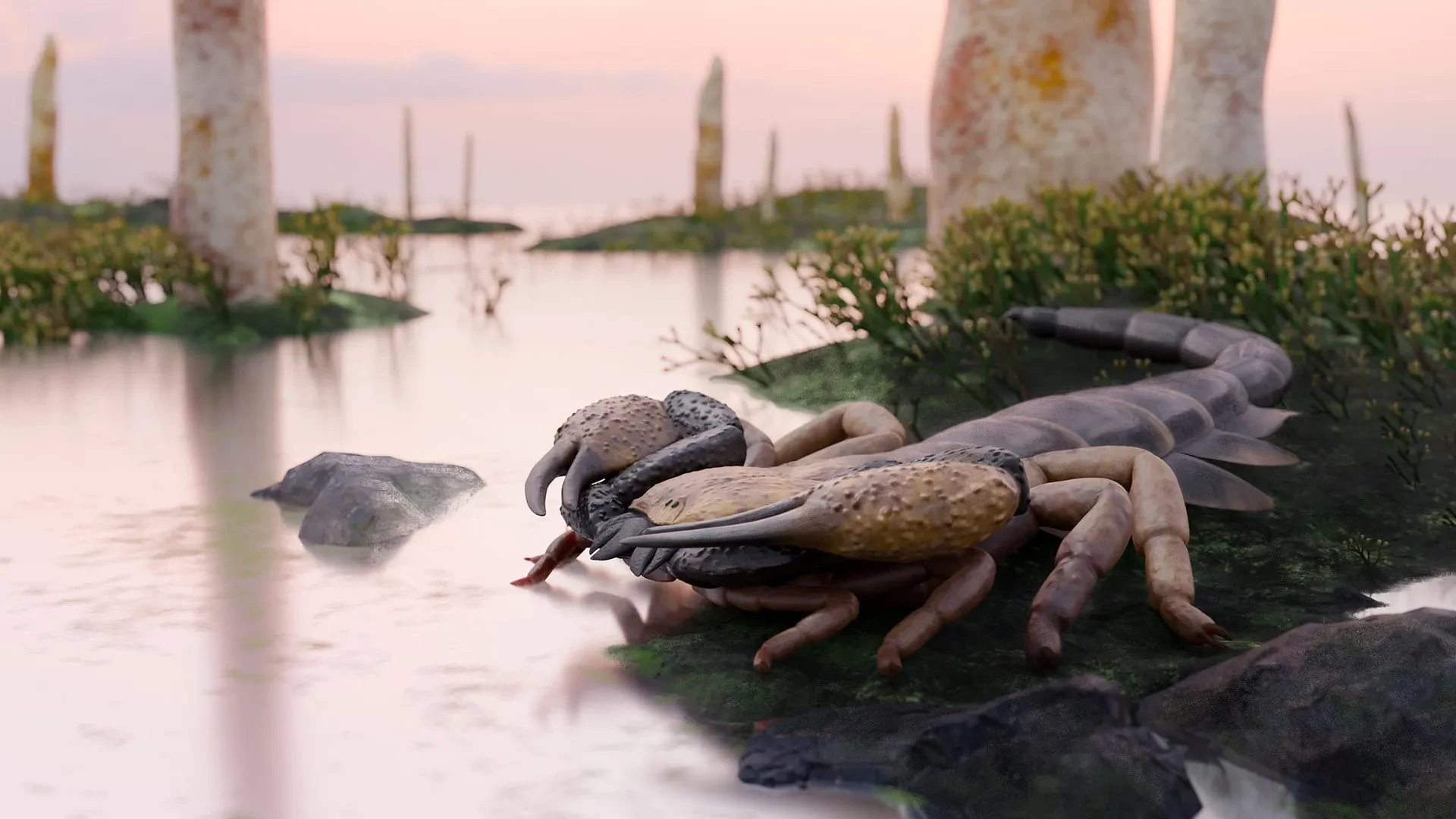
Largest known scorpion was a meter long and lived before forests existed
ScienceDaily
A coffee-table-size scorpion roamed Earth before forests existed
A meter-long scorpion with massive pincers stalked ancient Britain 415 million years ago, long before forests and the better-known age of giant insects. Its surprising size and possible semi-aquatic lifestyle could reshape ideas about how early arthropods became giants.
www.sciencedaily.com
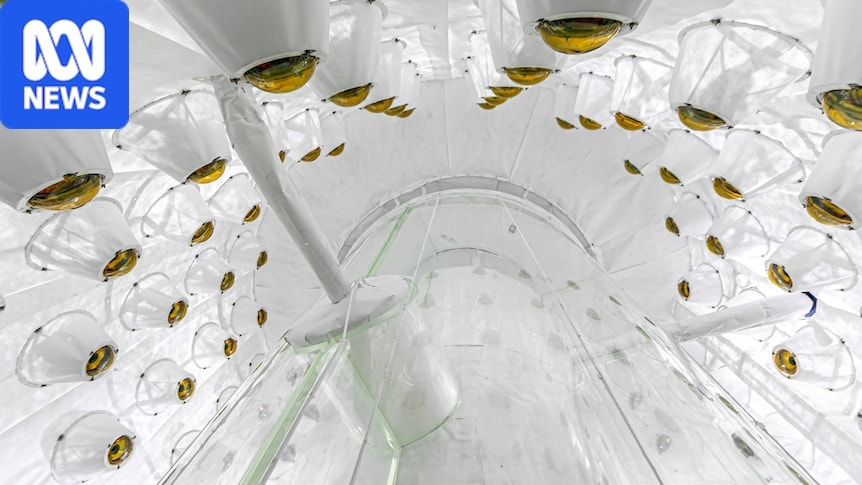
LUX-ZEPLIN records its most compelling hint of dark matter yet
abc.net.au
'This could be it': Dark matter detector finds hint of unknown particle
A single flash of energy spotted by the world's most sensitive dark matter detector has scientists excited they may have found hints of the elusive substance that permeates the universe.
www.abc.net.au
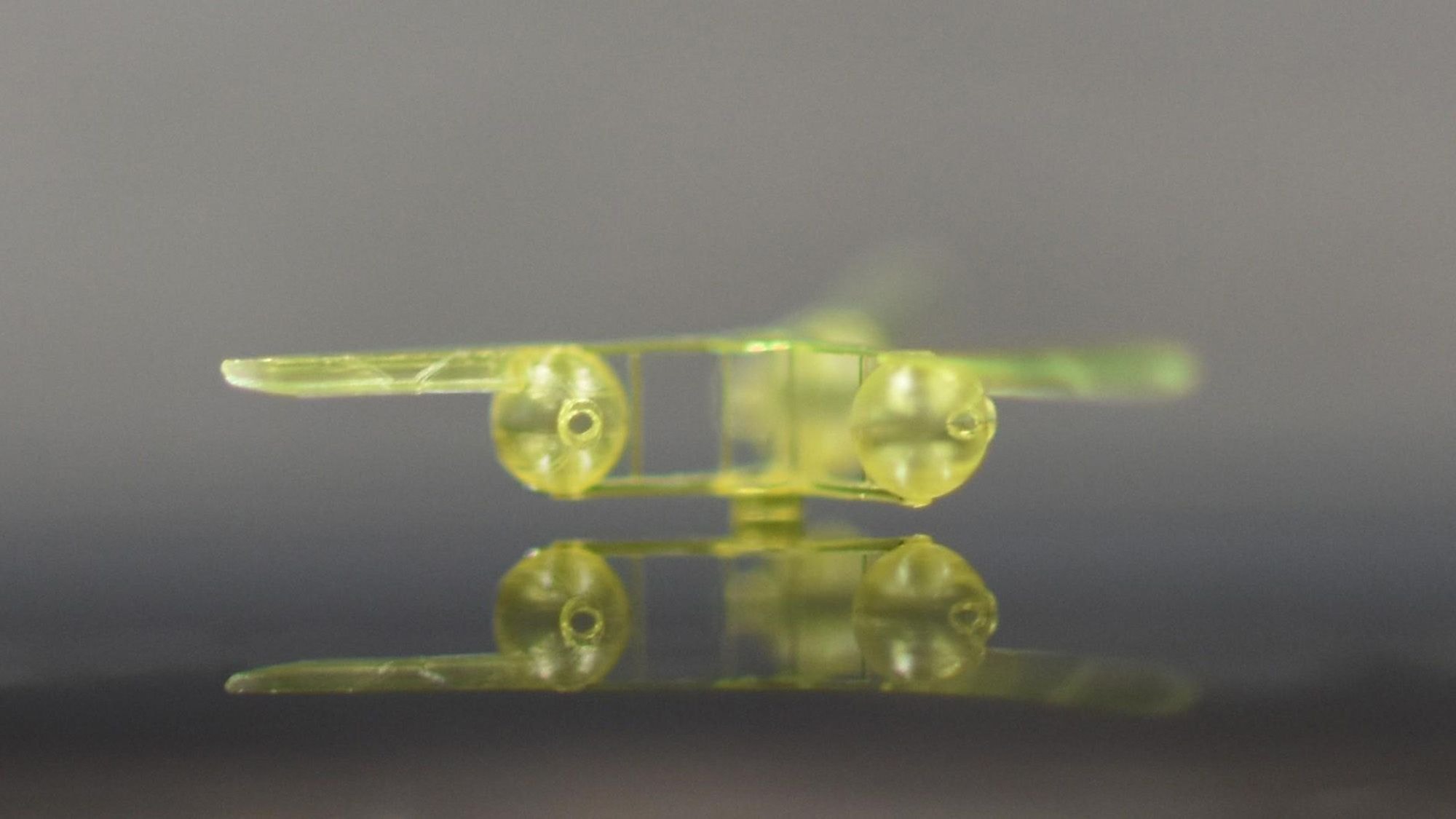
Tiny robots with no motors can fly and steer using sound waves
Live Science
Scientists build tiny robots without motors that can fly using sound waves alone
A century-old trick for tuning musical instruments has been repurposed to power robots that fly, float and steer themselves using nothing but sound waves.
www.livescience.com
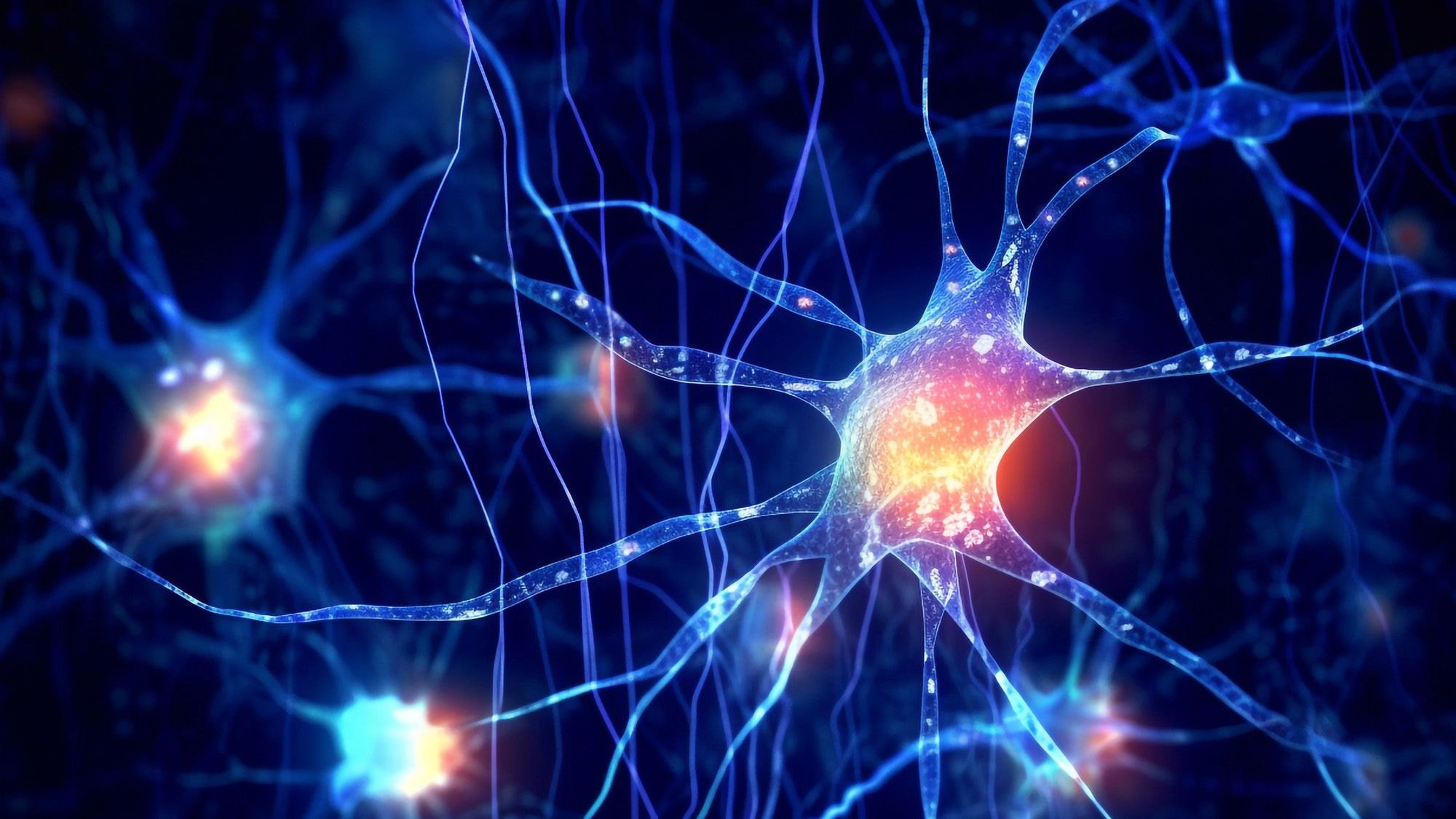
Gel turned human brain support cells into working neurons and improved memory in Alzheimer's mice
Live Science
Scientists invent a gel that creates neurons from other cells, which could help treat Alzheimer's
Scientists found a way to convert brain cells called astrocytes into neurons. In theory, this could replenish neurons lost in neurodegenerative conditions like Alzheimer's disease.
www.livescience.com
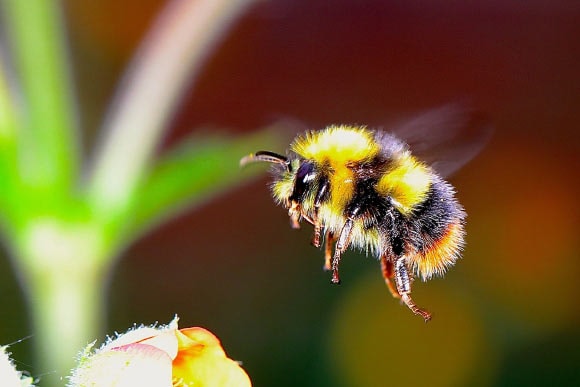
Bumblebees exposed to a fungal infection basically became drug addicts
Sci.News: Breaking Science News
Bumblebees May Self-Medicate when Their Colony Faces Fungal Pathogen | Sci.News
In a new study published in the journal Royal Society Open Science, buff-tailed bumblebees (Bombus terrestris) exposed to a brood-killing fungus shifted their foraging habits toward nectar laced with a natural antimicrobial compound, offering a rare glimpse of behavior consistent with self-medication in a social insect.
www.sci.news
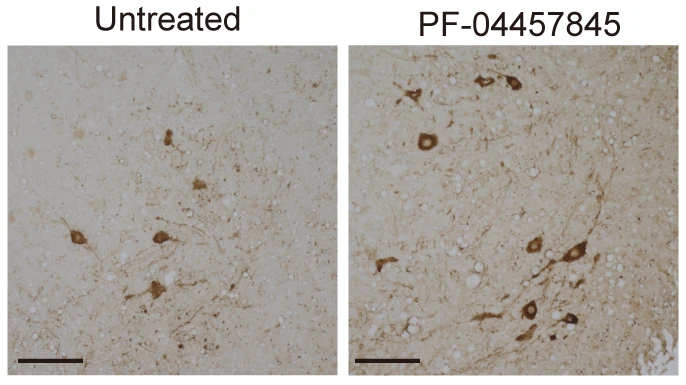
Compound already safety tested in humans slowed ALS progression in mice
Nagoya University
Human blood marker points to a compound that slows ALS in mice | News & Events | Nagoya University
Stay informed about research breakthroughs, university announcements, and opportunities to engage with Nagoya University's dynamic global community.
en.nagoya-u.ac.jp
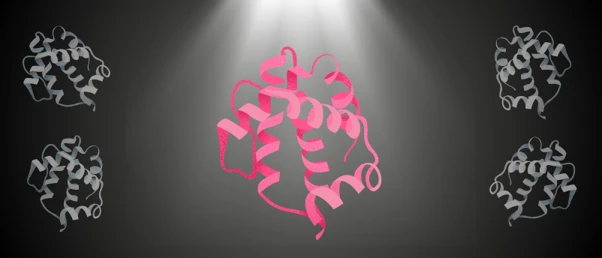
Researchers investigating 160 million year old proteins that kill drug resistant bacteria
BioTechniques
160-million-year-old proteins could inspire future antimicrobials
Scientists have reconstructed ancient lactoferrin proteins that could serve as a jumping-off point for novel antimicrobials.
www.biotechniques.com